When do you hire employee's??
At some point, every small business owner hits a wall. Here's how I think about whether hiring is the answer—or just a more expensive problem.
Read moreby Mark Gillman, Fabrication Specialist
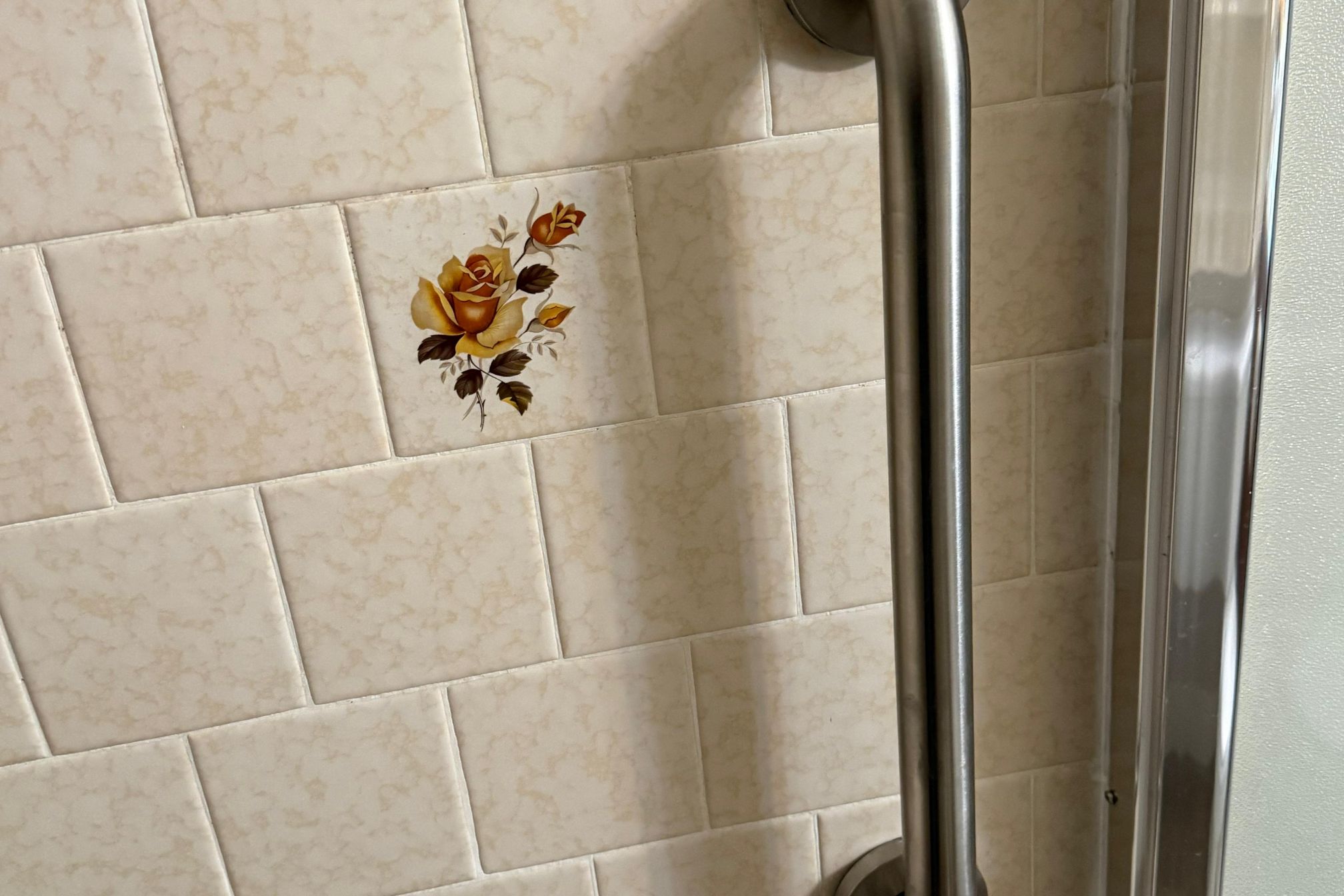
I've drilled through a lot of tile in my career. I'll be honest with you: even when you do it right, there's risk. Tile is brittle. Old tile is more brittle. And once you drill through it, you've opened up a path for water to eventually find its way behind the wall—which leads to problems that make a cracked tile look like good news.
So I started thinking about another way.
When people hear "glue," they think of something from the hardware store that peels off in the humidity. That's not what I'm talking about.
I've been experimenting with a two-part structural adhesive—the kind used in aerospace applications. This stuff bonds to metal, ceramic, and stone with a strength that's measured in thousands of pounds per square inch. It's not a tube of bathroom caulk. It's an engineered bonding system.
The bars I'm testing are stainless steel grab bars, properly sized and shaped for shower use. I'm attaching them using this adhesive directly to the tile surface, no drilling, no anchors, no compromised grout lines.
What you can see in the photos is how clean the installation looks. The flanges sit flush against the tile. There's no dust, no cracked grout around the mount, no evidence that anything was disturbed. The tile that was there before is still intact underneath.
Here's what actually happens when you install a traditional drilled grab bar in older tile:
You drill through the tile face—carefully, slowly, with the right bit—and hope it doesn't spider-crack. Then you hit the substrate, which in older homes is often a mortar bed, sometimes cement board, sometimes just drywall that someone tiled directly over. You set your anchors and mount the bar.
Now you have holes. Those holes are sealed with silicone at installation, and silicone works—for a while. Over time, with the constant temperature cycling of a shower and the movement that naturally happens when someone actually uses that bar for balance, the seal can work loose. Water finds a path. Inside the wall cavity, things get wet. You don't see it for years, sometimes not until there's a mold problem or the tile starts to shift.
The no-drill approach eliminates that entirely. The wall stays sealed. The tile stays intact. There's nothing to re-caulk every few years.
I currently have these bars installed in three homes here in Utah County. Different tile types, different ages, different usage patterns. I'm monitoring them for hold strength, any movement at the flange, and how the adhesive responds to the wet/dry/hot/cold cycling of daily shower use.
Results are encouraging. The bars feel solid—not "solid for glue," just solid. When I grab them and apply lateral force the way someone would catching themselves in a slip, there's no flex, no give, no creaking at the mount.
I'm also watching for something important: removability. One of the things that makes this approach genuinely useful is that these bars can be removed when they're no longer needed—after a recovery from surgery, after an elderly parent moves to a care facility—without leaving behind a damaged wall. The adhesive can be released with the right solvent without harming the tile. That's a real advantage over a drilled installation, which leaves holes that need to be patched and re-tiled.
I want to be clear about what this is and what it isn't.
This is a solution I'm developing for situations where drilling isn't a good option—older homes with original tile, situations where a temporary installation makes sense, cases where the homeowner has expressed real concern about wall damage. It's not a replacement for a properly anchored bar in new construction or a full bathroom remodel where you have access to the wall framing.
If you're building new, tile over cement board into properly located studs with stainless screws. That's the gold standard. This adhesive approach is for the situations where that's not on the table.
The folks I'm thinking about are older homeowners who've lived in their house for 40 years and have no interest in a renovation project—they just want to be safer in the shower without tearing anything apart. Or adult children trying to help a parent age in place without a major construction disruption. Those are real situations, and they deserve a real solution.
I've been fabricating and installing metalwork in homes for 30 years. I've seen a lot of products come and go that claimed to be the easier, better answer. Most of them weren't.
This one I'm cautiously optimistic about, specifically because of the adhesive technology. Two-part structural epoxies have been used in industrial and aerospace applications for decades. The science is solid. The question is how it performs in the specific conditions of a residential shower over years of use—which is exactly what I'm finding out right now.
If the three installations I'm monitoring continue to perform well, I'm going to expand this. There are a lot of bathrooms in Utah County with original tile and older residents who could use a safer shower.
I'll share what I learn.
At some point, every small business owner hits a wall. Here's how I think about whether hiring is the answer—or just a more expensive problem.
Read moreSteel prices in Utah are up, and some materials are hard to find right now. Here's what's happening and what it means for your project.
Read more