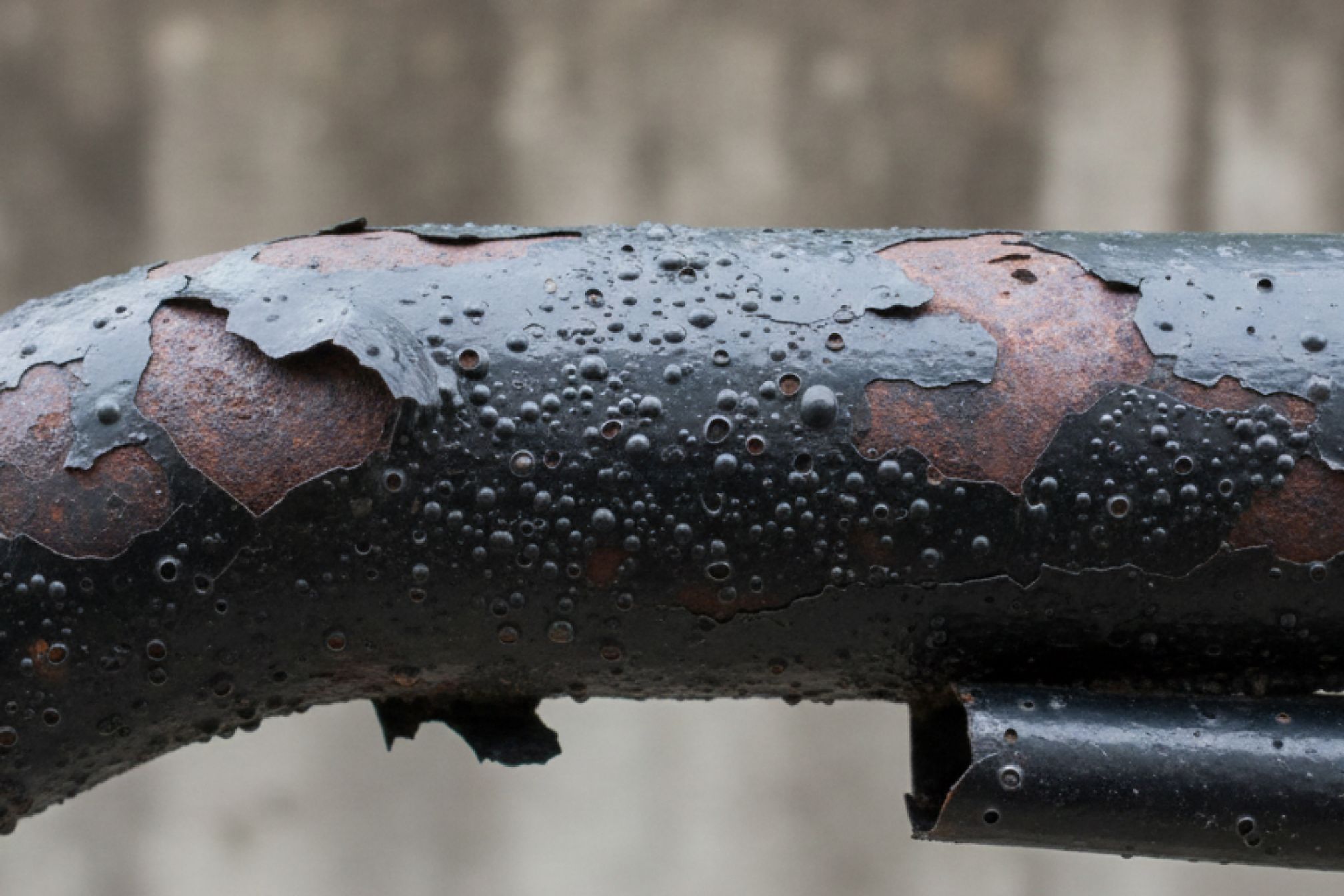
I've had three customers this year call me to fix railings that are bubbling and peeling after just a year or two. Every single time, same problem: improper prep work before powder coating.
Powder coating is fantastic when it's done right. It's durable, looks clean, and holds up to weather better than paint. But when it's done wrong—which happens more often than you'd think—it fails fast and fails ugly.
Here's what's actually happening when you see those bubbles.
It's Not the Powder Coating's Fault
People see bubbling and assume the coating itself is bad. "Cheap powder coat" or "defective batch" or whatever. Almost never the case.
Powder coating is a pretty straightforward process: electrically charge the metal, spray on powder that sticks to it, bake it in an oven until it melts and flows into a smooth, hard finish. The powder itself is usually fine. It's what happens before the powder goes on that causes problems.
The coating is only as good as what it's sticking to. If the metal surface isn't properly prepared, the powder coat will look great for a few months, then start failing. And once it starts, it doesn't stop.
The Real Culprit: Surface Contamination
Metal comes with stuff on it. Mill scale from the manufacturing process. Rust from sitting in a warehouse. Oil from cutting and handling. Dirt. Moisture. All invisible to the casual eye, but powder coating sees it.
When you spray powder onto contaminated metal and bake it, you're basically sealing that contamination under the coating. Then temperature changes, moisture, and time go to work. The contamination creates weak spots. Water finds its way in. The coating loses adhesion. Bubbles form. The finish fails.
I've seen brand new steel, fresh from the supplier, fail powder coating because nobody cleaned off the mill scale. Looks clean, feels clean, but it's not.
Proper Prep Takes Time (Which Costs Money)
This is where cheap work cuts corners.
Proper metal prep before powder coating involves:
Degreasing: Remove all oils, fingerprints, cutting fluids. Not just "wipe it down"—actual chemical degreasing that gets into every surface.
Rust removal: Any rust, even surface rust you can barely see, has to come off completely. Wire brushing isn't enough. Sandblasting or chemical treatment gets it actually clean.
Mill scale removal: That dark, flaky layer on new steel? Gone. All of it. This is the step most people skip because the metal "looks fine."
Final cleaning: After mechanical cleaning, a final chemical wash to remove any remaining contaminants and etch the surface slightly for better adhesion.
Immediate coating: Once metal is prepped, it needs to be powder coated quickly. Leave it sitting around and oxidation starts immediately. Even overnight can be a problem in humid conditions.
All of this takes time. Which is why the guy quoting half my price is skipping most of it.
What Shortcuts Look Like
I've seen railings that were clearly just wire-brushed and sprayed. No chemical prep. No real cleaning. Just knock off the loose rust and hope for the best.
The powder coat goes on smooth. Looks perfect in the shop. Customer picks it up, installs it, everyone's happy. Six months later, bubbles. A year later, it's peeling off in sheets.
Then they call me to fix it, which means stripping all the failed coating, doing the prep work that should've been done the first time, and recoating. They pay twice.
Environmental Factors Make It Worse
Even properly prepped powder coating can fail if environmental factors aren't considered.
Moisture during prep: If you prep metal and then coat it in high humidity, you're trapping moisture under the coating. Recipe for failure.
Wrong coating for the application: Not all powder coats are created equal. Exterior applications need UV-resistant formulations. High-moisture environments need specific coatings. Using interior-grade powder on an exterior railing will fail.
Insufficient cure: Powder coating needs specific temperature and time to cure properly. Too hot and it can become brittle. Not hot enough or not long enough and it won't achieve full hardness and adhesion. Shops without proper ovens or temperature controls are guessing.
Why I'm Picky About My Powder Coater
I don't do powder coating in-house. I use a shop I trust because I've seen their prep process and I know they don't cut corners.
They actually degrease. They actually blast. They actually use the right chemicals and follow proper procedures. Their oven is calibrated. They cure at the right temperature for the right time.
It costs more than the cheapest powder coater in town. Worth every penny, because I'm not getting callback about bubbling finishes.
When I quote a powder-coated railing, that prep work is built into the price. You're not just paying for the pretty finish—you're paying for all the work that makes it last.
Signs You're Getting Proper Prep
If you're having steel fabricated and powder coated, here's what to look for:
They ask questions about the application: Where's this going? Inside or outside? Exposure to weather? Moisture? A good powder coater needs to know this to select the right coating.
They inspect your parts before quoting: If they quote without seeing the metal condition, they're guessing. Rusty steel needs more prep than clean steel.
The timeline includes prep time: If they can turn it around in 24 hours, they're probably skipping prep steps. Proper degreasing, blasting, and coating takes time.
They explain their process: A shop that knows what they're doing can tell you exactly what prep steps they take. If they can't explain it, they probably don't do it.
What to Do If Your Powder Coating Is Bubbling
If you've already got bubbling powder coat, you have three options:
Live with it: The bubbling will get worse. Eventually the coating will fail completely and you'll have rust.
Touch it up: You can sand the bubbles, prime, and paint over them. This is a band-aid. It'll slow the failure but won't stop it.
Strip and redo it properly: Remove all the failed coating, prep the metal correctly, and recoat. This is the only real fix, but it's expensive.
I tell people straight: if the bubbling is minor and in a non-critical area, touch-up might buy you a few years. But if it's structural or visible, strip and redo is the only solution that actually works.
Why I Don't Cut Corners on Prep
I've been doing this long enough to know what happens when you skip steps. The job looks fine when you finish it. The customer is happy when they pay. Then six months or a year later, problems start.
That phone call—"Hey Mark, remember that railing you did? It's bubbling"—is not a conversation I want to have.
So I pay more for proper powder coating. I build that cost into my quotes. And when customers question why I'm more expensive than the other guy, this is one of the reasons.
The other guy's railing looks just as good as mine on installation day. The difference shows up a year later when mine still looks perfect and his is bubbling.
The Bottom Line
Powder coating bubbles because of improper surface preparation before coating. Not because of bad powder, not because of bad luck, but because someone skipped the work that needed to be done.
Proper prep takes time and costs money. But it's the difference between a finish that lasts twenty years and one that fails in two.
When you're getting quotes for powder-coated work, understand that the cheapest option is cheap for a reason. They're saving time and money somewhere, and prep work is usually the first thing to go.
You can pay for proper prep once, or you can pay to fix it later. One of those options costs less in the long run, and it's not the cheap one.
If you're getting metalwork done and powder coating is involved, ask about the prep process. If they can't give you a clear answer, find someone who can.
Because nobody wants to spend money on something that's going to bubble and peel in a year.